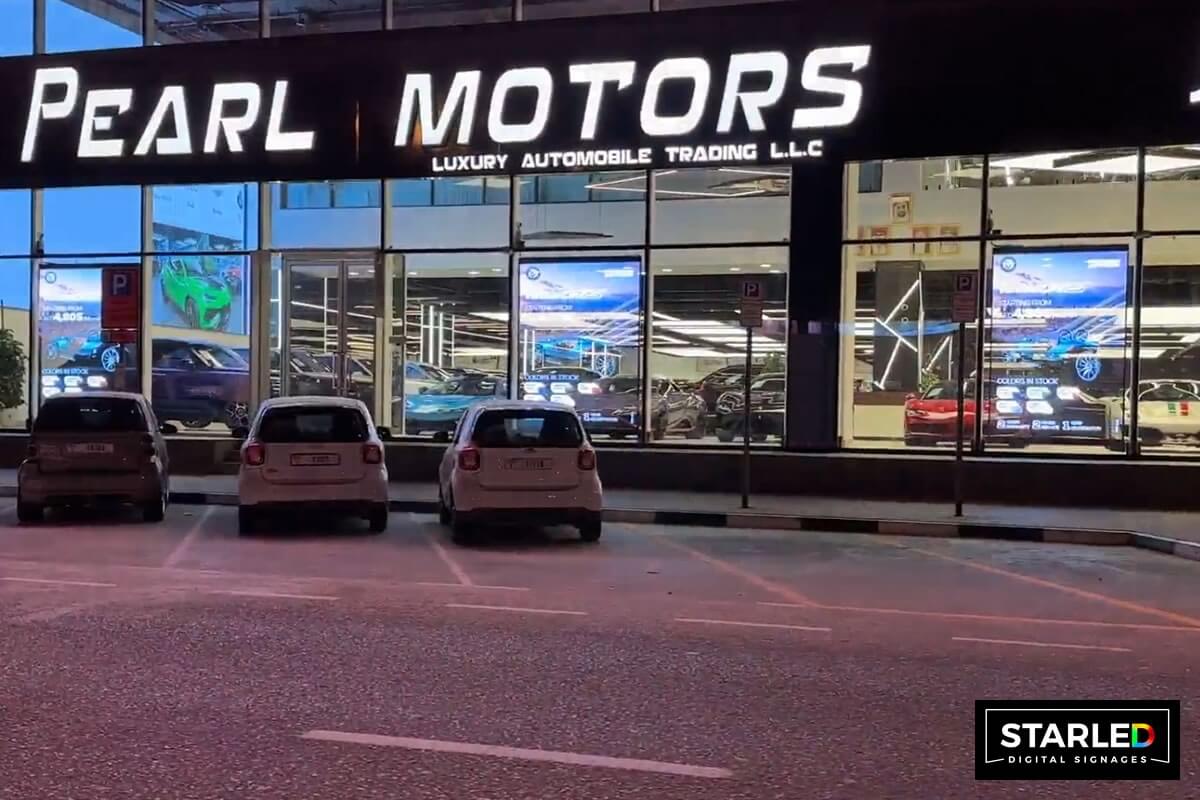
In the context of LED screens—whether for outdoor billboards, stadium displays, retail signage, or indoor video walls—a Content Management System (CMS) is essentially the brain that controls what appears on the screen, when it appears, and how it’s updated.
Here’s why a CMS is important:
1. Centralized Control
- Instead of manually updating each LED screen on-site, a CMS lets you manage all displays from a single dashboard, even remotely.
- This is especially vital for networks of LED screens spread across multiple locations.
2. Real-Time Content Updates
- Urgent announcements (e.g., event changes, safety alerts) can be pushed instantly to all relevant screens.
- Supports live feeds like sports scores, weather, or social media.
3. Scheduling & Automation
- Enables timed campaigns—different content for morning, afternoon, and evening, or seasonal campaigns without manual intervention.
- Reduces human error by automating repetitive changes.
4. Consistency & Branding
- Ensures all screens display the correct brand visuals, fonts, colors, and messaging.
- Avoids mismatched or outdated content that can weaken brand perception.
5. Support for Multiple Media Formats
- A good CMS handles videos, animations, text tickers, high-resolution images, and even interactive content.
- This flexibility lets you maximize the LED screen’s capabilities.
6. Data-Driven Optimization
- Advanced CMS platforms provide analytics—tracking impressions, content playback frequency, and audience engagement.
- Allows data-based decisions to refine campaigns for better ROI.
7. Remote Diagnostics & Maintenance
- Some systems can monitor the health of the LED screen (temperature, pixel status, connectivity).
- Early detection of faults means fewer downtimes.
8. Scalability
- Whether you have one LED screen or hundreds, the CMS scales with your network.
- New screens can be added without major reconfiguration.